Migraines & Headaches

One of oxygen’s natural healing properties is its ability to reduce pain and inflammation. As migraines can be caused as a result of swollen blood vessels, oxygen’s ability to reduce this inflammation can in turn treat the pain of a migraine.

Past research has found that Oxygen Therapy has been able to terminate the pain of migraines in 40-45 minutes, and cluster headaches in just 15 minutes. After four treatments of Oxygen Therapy, one patient didn’t experience another bout of cluster headaches for 7 months.


Rhematoid Arthritis

Oxygen Therapy has been found to have the following benefits to arthritis sufferers:

  • Lowering the sedimentation rate of the blood
  • Stabilising immunologic function
  • Strengthening body’s resistance for eliminating pathogenic factors
  • Suppressing inflammation
  • Treating analgesia

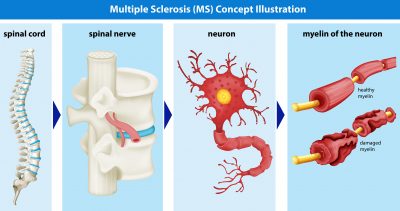
Multiple Sclerosis

Oxygen Therapy is one of the complementary therapies highly recommended by an increasing number of doctors for patients with MS it is often used in conjunction with conventional medical therapies

Bone Growth & Fractures

Oxygen Therapy offers a non-invasive alternative to patients that seek enhanced healing of non-union fractures.

The process of Oxygen Therapy encourages the production of collagen. Collagen is a tough, fibrous material that fills the spaces between broken bones. It is collagen that helps to bring the broken or fractured bones back together. Oxygen Therapy also enhances the production of new capillaries around the injured areas – which carries more oxygen and nutrients to the bones.

Osteoclasts are large cells that remove bone tissue by removing the mineral matrix of the bone and dissolving the collagen. It can also be referred to as bone resorption where the bone is broken down and the minerals are transferred to the blood. Osteoblasts, on the other hand, are cells responsible for bone formation. They mineralise the bone structure. Osteoblasts and osteoclasts work together to regulate the bone tissue in the body.

We already know that Oxygen Therapy can reduce swelling and inflammation, boost the immune system, improve circulation, reduce swelling and inflammation and suppress infection. These properties go hand in hand with the bone break and fracture repair process. Particularly when it comes to tibia and fibular fractures that have a poor blood supply. Oxygen Therapy can also help bone grafts to heal with less chance of rejection and fewer complications.

Autism

Oxygen Treatment may improve language, eye-contact, social interaction, irritability, or hyperactivity.
In randomised double-blind controlled trials children were measured before and after using the Aberrant Behaviour Checklist Community (ABC), (2) Autism Treatment Evaluation Checklist (ATEC)  (3) Clinical Global Impression for changes in overall functioning and subscales, as rated by the parent or primary caretaker.   Significant improvements were observed in several domains and in overall functioning.
Case Study
In the 3 ½ years since Roman’s diagnosis we have undertaken many therapies to improve his health and quality of life … Throughout our quest to help our only child we have researched rejected tried and retried virtually every available Autism treatment option.
Roman’s speech therapist kept asking us “What’s different? What new thing are you doing because he’s definitely changed”

Cancer

Oxygen Treatment has been used as a preventative measure and as a treatment for most types of cancers.  It has also been used as an adjunctive treatment to attenuate the side effects of more standard treatments such as chemotherapy and radiotherapy as well as to render those treatments more effective.
It is well known that most cancer cells do not like oxygen.  Most tumours have blood supplies that leave parts of the tumour starved of oxygen, or “hypoxic”, making them resistant to radiotherapy.   The vessels are also leaky, stopping chemotherapy drugs penetrating deeply enough to kill the growth. This means that tumours well supplied with oxygen are actually more vulnerable.
Case Study
Michael Charter was diagnosed with prostate cancer, aged 53, and his prostate was removed in 1993.  Then, 15 years later, Michael began to suffer symptoms.
‘My first symptoms were bladder leakage,’ he says. Michael’s GP referred him to a urologist who said that little could be done. ‘It was depressing,’ says Michael,. ‘From being sociable and outgoing, suddenly I was wetting myself, often in public. It was a terrible blow to my pride and self-esteem.’ Deterioration was rapid. Within weeks of the first symptoms, Michael had passed blood in his urine, was suffering from painful bouts of cystitis and had bowel problems.
‘I went for 40 treatments over five weeks.  Each time, the results were astonishing. My bowel problems disappeared completely within days, and although I still have to use a catheter and wear pads, I’m usually dry for a night”

Diabetes

Oxygen Treatment may help to diminish pain in the extremities, improve eyesight and general eye health and reduce the insulin requirements in some types of diabetics.
Oxygen Treatment has been used as an adjunctive treatment in the management of diabetes.  It has been particularly effective in the management of diabetic foot problems.  15% of people with diabetes will have a foot ulcer at some point in their lives.   If left untreated, or even with full conventional treatment, the ulcers may lead to serious consequences. These consequences include gangrene, infections and osteomyelitis. Diabetic foot ulcers precede more than 80% of amputations in people with diabetes and are the most common cause of non-traumatic limb amputation in the UK.
Case Study
In a trial in Miami University, twenty five diabetic patients had five sessions of oxygen treatment lasting one hour each as well as stem cell injections.  All the patients were taking metaformin or insulin or both.  Four patients were able to stop taking insulin altogether.  Fifteen patients could gradually reduce their insulin over the following year.  Ten patients stopped or reduced their metaformin dose.